What Does Second Hand Mean?
Discover what “second‑hand” means, why buying preloved matters, and how to shop and sell safely. Tips, environmental benefits, legal notes and FAQs for Prelovedd users.
Style That Starts Again

Complete Guide to Secondhand, Preloved & Used Goods
PRELOVEDD
What does second hand mean?” refers to any item that has previously had an owner and is being re‑sold or re‑used rather than sold as new. This guide explains the different types of secondhand goods, the benefits and risks of buying and selling preloved items, and practical tips for evaluating quality, safety and value. Ideal for buyers and sellers on Prelovedd, it also highlights sustainability and market trends shaping the secondhand economy.
Secondhand — sometimes written second‑hand, secondhand or preloved — covers a huge range of items: clothing, furniture, books, electronics, tools, vehicles and much more. At its core, “second hand” simply means an item that has been owned before and is offered for resale or reuse, rather than being sold as new by the manufacturer or retailer. The secondhand market includes informal swaps and hand‑me‑downs, charity shop donations, flea markets, specialist resale boutiques, community car boot sales and online marketplaces such as Prelovedd. Understanding what secondhand means helps shoppers make informed choices about quality, price, safety and sustainability — and helps sellers present their listings more effectively.
Why this matters
Buying and selling secondhand items is far more than a price decision. It influences the environment (fewer resources and lower emissions when goods are reused), social outcomes (affordable access to goods; income for small businesses and markets) and consumer rights (warranties, returns and disclosure expectations vary from new goods). This guide breaks the subject down into clear, actionable sections so Prelovedd users can buy and sell with confidence.
SECOND-HAND AT A GLANCE
The definition
Types of secondhand goods
Why people buy secondhand
Environmental & economic impacts
Common risks
How to evaluate items
Where to buy second‑hand
Selling secondhand
Pricing & valuation tips
Legal & safety checklist
Sustainability & circular economy
Summary
FAQ
The definition: What exactly does second hand mean?
Secondhand describes any item that has previously been owned and is being re‑sold, handed down or otherwise transferred from its original buyer to a new user. This includes:
- Preloved items: Goods sold with emphasis on their previous use and continuing value (often used for fashion).
- Used goods: A broader term that covers everything from nearly new items to heavily used or refurbished products.
- Reconditioned/refurbished: Used electronics or appliances that have been repaired and tested before resale.
- Certified pre‑owned: Typically applied to vehicles or high‑value items that have undergone inspection and come with a warranty.
- Hand‑me‑downs and gifts: Items transferred informally without a commercial sale.
Types of secondhand goods
- Clothing and fashion: From charity shop garments to designer resale and vintage boutiques.
- Furniture and homewares: Upholstery, solid wood furniture, antiques and upcycled pieces.
- Books and media: Preowned books, records, DVDs and video games.
- Electronics and appliances: Phones, laptops, TVs and white goods — often refurbished.
- Vehicles: Used cars, motorcycles and scooters, including certified pre‑owned models.
- Tools, sports and hobby gear: Hand tools, exercise equipment and specialised kit.
- Baby and children’s items: Prams, toys, clothing — items often exchanged due to short use cycles.

Reasons people choose secondhand
- Cost savings: The most obvious benefit is a lower price compared with new items.
- Sustainability: Reusing goods avoids the resources and emissions involved in manufacturing replacements.
- Unique finds: Vintage or discontinued items that aren’t available new.
- Testing trends: Buying preloved lets shoppers try styles or hobbies without big upfront investment.
- Support local economy and small sellers: Markets, charities and independent sellers benefit from a thriving secondhand sector.
Environmental and economic impacts
- Reduced resource use: Extending a product’s life delays the need for raw material extraction and manufacturing.
- Lower carbon footprint: Product manufacture and transport often create the largest share of greenhouse gas emissions in a product lifecycle. Buying used avoids much of that impact.
- Waste reduction: Reuse reduces landfill and the environmental costs of disposal.
- Economic redistribution: Secondhand markets provide income for sellers, support repair industries and offer affordable access to goods, particularly in low‑income communities.
Common concerns and risks (and how to handle them)
- Hygiene and pests: Upholstered furniture and mattresses can harbour bedbugs or allergens. Inspect carefully, ask for recent professional cleaning, or avoid high‑risk items.
- Safety and functionality: Electronics and appliances may have faults or unsafe repairs. Ask for test evidence, serial numbers and refurbishment history; prefer items with a recent PAT check or refurbishment certificate.
- Hidden defects: Small defects might not be obvious in photos. Request more photos, a video, or an in‑person inspection.
- Fraud and counterfeit goods: Designer items can be faked. Look for authentication features, request proof of purchase and check seller ratings.
- E‑waste dumping: Some exported used electronics are effectively waste. Ask about refurbishment standards and responsible recycling.
- Legal restrictions: Some countries restrict import of used clothing or certain goods; check local regulations when selling or shipping internationally.
How to evaluate secondhand items
Clothing
- Examine seams, cuffs and underarms for thinning thread or stains.
- Check zips, buttons and linings.
- Smell test: persistent odours may be hard to remove.
- For designer items, compare logos, hardware quality and stitching to verified examples.
Furniture and soft furnishings
- Inspect frames and joints for wobble or cracks.
- For upholstered pieces, look for mattress tags, deep stains and signs of pests.
- Ask about age, provenance and whether any structural repairs were made.
- For antiques and designer pieces, ask for provenance or maker’s marks.
Electronics and appliances
- Ask for the model number and serial number; verify specifications.
- Request photos of ports, battery health (for phones/laptops) and any error lights.
- Request proof of reset to factory settings and any refurbishment or repair invoices.
- If possible, test booting the device and running basic functions before purchase.
Cars and vehicles
- Check service history and MOT (or equivalent).
- Look for evidence of major repairs or accident history.
- Take a test drive and, if buying online, insist on an independent inspection.
- Consider certified pre‑owned options for extra warranty.
Books and media
- Inspect for annotations, water damage or missing pages.
- Consider edition and printing if you need a specific version.
- For rare or collectible books, request provenance and condition grading.
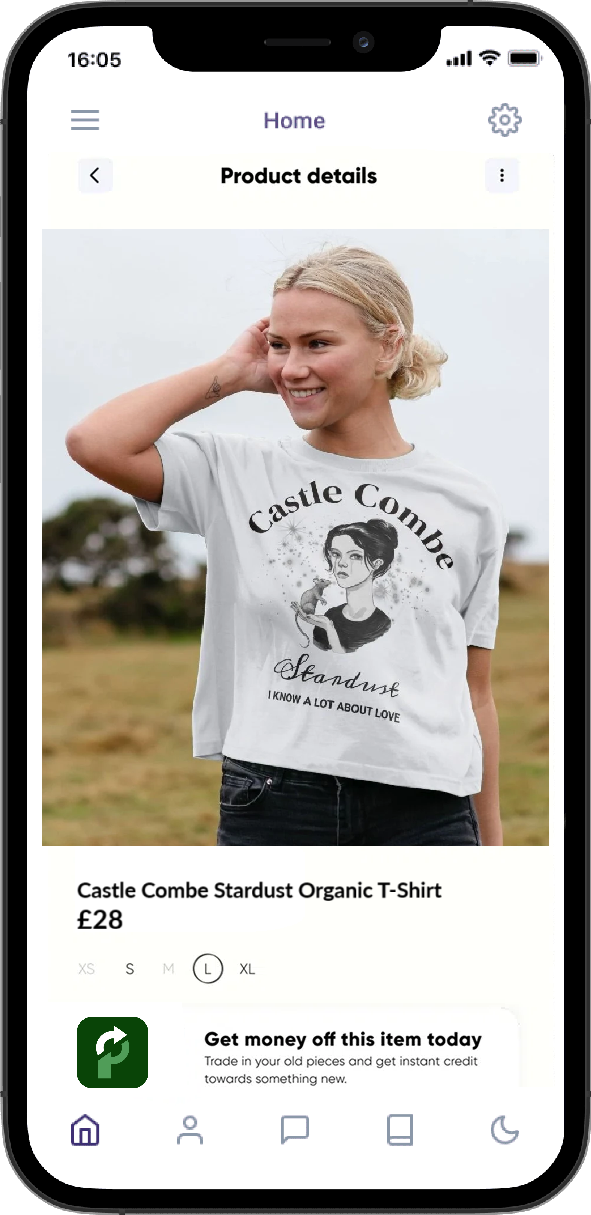
Swap your old item for store credit or upgrades - fast, fair and eco‑friendly.
Where secondhand items are sold
- Online marketplaces: Prelovedd, eBay, Facebook Marketplace and specialist resale sites.
- Charity shops and thrift stores: Often local, with profits supporting causes.
- Consignment and resale boutiques: Curated, often for designer goods.
- Flea markets and car boot sales: Bargain hunting and negotiation culture.
- Auctions and estate sales: Good for antiques and bulk estates.
- Local swap groups and community free‑cycling: Free exchanges that keep items circulating locally.
Selling secondhand: best practices for Prelovedd listings
- Clear, keyword‑rich title: Include brand, item type, condition and size (e.g. “2018 iPhone XR — 64GB — Good Condition — Unlocked”).
- High‑quality photos: Multiple angles, close‑ups of wear, serial numbers and any defects.
- Honest condition description: Use standard condition terms (New, Like New, Very Good, Good, Fair) and describe faults.
- Provide provenance and receipts if available: Helps buyers trust authenticity and value.
- Competitive pricing: Research comparable listings on Prelovedd and other marketplaces.
- Shipping and returns: Be explicit about postage cost, courier options and return policy.
- Safety tips: Offer contactless collection and encourage local inspection when practical.
Pricing strategies and valuation tips
- Compare similar items: Look for recent sold listings rather than asking prices to understand true market value.
- Consider condition adjustments: Price near market if “like new”; discount significantly for visible wear or missing accessories.
- Factor in fees and postage: Consider Prelovedd commission, if any, and shipping costs when setting a price.
- Offer bundles: For small items (books, clothes), bundle discounts can increase average order value.
- Use “best offer” or “make an offer” where appropriate to encourage negotiation.
Legal and safety considerations
- Consumer rights: Rights differ by country and platform. On Prelovedd, clearly state any seller guarantees and check platform policies for dispute resolution.
- Intellectual property and counterfeits: Do not sell counterfeit goods. Provide clear provenance and refuse suspicious consignments.
- Liability: Disclose any known safety issues (e.g. recalled items or non‑certified car seats).
- Export and import rules: Check whether the destination country allows certain used goods (e.g. some countries restrict used textiles).

Sustainability and the circular economy
- Reuse is central to circular economy goals: extending product lifespans reduces demand for new production and the associated environmental harms.
- Repair and refurbishment: Encouraging repairs (and offering repair services or kits) increases item value and lifespan.
- Textile strategies: EU Circular Textiles Strategy aims to reduce waste and promote reuse — useful context for preloved fashion.
- Upcycling and recommerce: New business models that turn preloved materials into new or improved products, and digital recommerce platforms that make reselling easy.
Practical safety checklist for buyers
- Ask for more photos and serial numbers.
- Request proof the item powers up or works.
- Meet in public places for local pick up and, where possible, bring a friend.
- Avoid paying outside the marketplace’s protected payment system.
- For expensive items, ask for an independent inspection or escrow service.
Practical checklist for sellers
- Clean and repair where cost‑effective before listing.
- Take clear photos in natural light.
- Keep records of communications and shipping tracking.
- Package items securely — poor packaging damages reputations.
- Consider offering returns for high‑value items to increase buyer confidence.
To Sum Up
Secondhand means an item has previously been owned and is now being reused, resold or repurposed. The secondhand market offers clear benefits: cost savings, environmental advantages and social impact, but it also requires due diligence around safety, authenticity and condition. Whether you’re buying a preloved designer dress, a refurbished laptop or a secondhand car on Prelovedd, informed inspection, honest listings and transparent communication create a positive market for everyone.
Ready to explore recommerce & trade-in?
Prelovedd helps you convert returns and trade‑ins into curated, styled resale inventory and trade‑in credit, design buyback offers, list pre‑owned items and reach second‑hand shoppers — Visit Prelovedd to launch your resale programme and boost revenue, loyalty and circular impact.
REGULARLY ASKED QUESTIONS
Frequently Asked Questions
We have put together some commonly asked questions
What does preloved mean?
Second hand refers to items that have been previously owned and are being resold, handed down or reused rather than sold as new.
Is secondhand the same as used?
Yes — “secondhand” and “used” are interchangeable in most contexts. Preloved emphasises positive value; refurbished or reconditioned indicate professional restoration.
What are preloved items?
Preloved items are secondhand goods sold with an emphasis on their previous use and continuing desirability — commonly used for clothing and accessories
How can I tell if a secondhand item is authentic?
Check serial numbers, maker’s marks, receipts, quality of materials and construction; for designer items, compare with verified references and ask for provenance.
Are secondhand goods safe to buy?
Generally yes, but safety depends on item type. Inspect for pests, check electronics for faults, and avoid items with recall notices. Ask for proof of working condition.
Why buy secondhand instead of new?
Benefits include cost savings, lower environmental impact, access to unique items and supporting local or small sellers.
We connect the dots
Great existing clothes + smart styling + simple experiences
Can I get a warranty on secondhand items?
Some refurbished items or certified pre‑owned goods come with warranties. Ordinary private sales rarely include warranties unless the seller offers them.
How should I price my secondhand item for sale?
Research recent sold listings for similar items, adjust for condition and include shipping/fees. Use clear condition grades and be open to offers.
What is refurbished versus secondhand?
Refurbished items have been repaired, tested and restored to working condition by professionals; secondhand may not have undergone refurbishment.
How do I avoid scams when buying secondhand?
Use marketplace protections, avoid off‑platform payments, check seller ratings, request serial numbers and meet in public for local collections.
Are there environmental benefits to buying secondhand?
Yes — reuse reduces production demand, conserves resources, lowers carbon emissions and cuts waste sent to landfill.
Can I sell damaged items as secondhand?
Yes, but you must be transparent. Describe defects, provide photos and set expectations for returns or refunds.
Stay in the loop
Sign up for a newsletter worth reading