Preloved Clothes: Guide to Second‑Hand Fashion
How pre-loved clothing saves money, cuts waste and helps you build a stylish, sustainable wardrobe — plus practical tips for shopping, selling and caring for your finds.
Style That Starts Again


Your complete UK guide to buying, selling and loving second‑hand fashion
PRELOVEDD
Preloved clothes are reshaping the UK fashion market by offering stylish, affordable alternatives to fast fashion while reducing environmental impact. This guide explains how to find quality second‑hand items, what grading and sanitisation mean, and the best ways to buy and sell online and locally. Read on for practical tips, care advice and answers to the most common questions about pre-loved clothing.
The popularity of preloved clothes has exploded in recent years as shoppers search for value, individuality and lower-impact alternatives to new garments. From curated recommerce platforms to charity shops and community marketplaces, buying and selling pre-owned clothing makes fashion more circular and affordable. Whether you’re a seasoned thrifter or new to second‑hand shopping, this guide will help you shop smarter, sell confidently and care for your wardrobe so items last.
BUY • SELL • CARE • SUSTAIN
Why Preloved Matters
Where to Buy UK Preloved
Shop Smart Online
Sell Faster, Sell Better
Care & Repair Tips
Preloved + Sustainability
To Sum Up
FAQ
Why preloved clothes matter
- Environmental impact: Manufacturing new clothes consumes water, energy and raw materials. Extending garments’ life through reuse reduces carbon and waste.
- Cost and value: High-quality or designer items can be hundreds of pounds cheaper second‑hand, delivering far better cost-per-wear.
- Style and uniqueness: Preloved shopping often reveals one-off pieces and heritage brands no longer in production.
- Community and ethics: Buying second‑hand supports charities, local sellers and recommerce businesses committed to circularity.
Where to find preloved clothes in the UK
- Recommerce platforms (e.g. Prelovedd-style marketplaces): Curated listings, grading systems and returns make buying low-risk.
- Charity shops and local vintage stores: Great for treasure hunting and supporting local causes.
- Social marketplaces and apps (Depop, Vinted, eBay): Wide selection; be prepared to vet sellers.
- Clothing swaps and pop-ups: Low-cost, social and sustainable.
- Specialist resellers for designer pieces: Authentication and condition checks add security for high-value buys.
Key terms explained
- Preloved / pre‑owned / second‑hand: All generally interchangeable; “preloved” emphasises prior use and care.
- Grading: Condition labels such as “brand new”, “as new”, “pre‑loved” or “fair” help set expectations.
- Ozone sanitisation / laundering: Methods used by recommerce platforms to clean and sanitise without damaging garments.
- Circular fashion / recommerce / resale: Different phrases describing the reuse-focused part of the fashion economy.

How to shop for preloved clothes online — a practical checklist
- Use specific search terms: combine the item with size, brand, era or fit (e.g. “Levi’s 501 W32 preloved”).
- Check grading and photos: Zoom in on collars, cuffs, seams and labels — clear, well-lit photos are a good sign.
- Read measurements, not just sizes: Sizes vary by brand and era; ask for chest, waist, sleeve and length measurements.
- Ask about repairs and stains: Small repairs are normal; severe damage should be priced accordingly.
- Look for seller policies: returns, refunds, authentication for designer goods and sanitisation details matter.
- Consider cost per wear: A higher initial price can be a bargain if the item is durable and wearable often.
- Factor shipping and customs: For UK shoppers, prefer UK-based sellers to avoid delays and fees.
How to sell preloved clothes successfully
- Photograph well: natural light, flat-lay and modelled shots help buyers imagine fit.
- Write clear descriptions: include brand, size, measurements, material, condition grade and any defects.
- Price competitively: research similar listings and consider fees (platform commission, postage).
- Offer bundling or discounts: encourages higher order values.
- Use trusted platforms or postage options: tracked shipping and insurance build buyer confidence.
- Promote on social media: short styling reels or posts increase visibility.
Quality cues: what to look for in preloved clothes
- Fabric composition: natural fibres (wool, cotton, linen, silk) often last longer than cheap synthetics.
- Stitches and seams: reinforced seams suggest durability.
- Hardware and trims: working zips, intact buttons and undamaged linings matter for longevity.
- Signs of wear: light fading or pilling is acceptable; holes, large stains or broken hardware reduce value.
- Alterations: professionally altered items can fit better but should be disclosed.
Cleaning and care: keeping preloved clothes at their best
- Follow care labels first: they’re the safest instruction.
- Gentle wash for delicate items: use mesh bags, cool water and mild detergents.
- Ozone sanitisation: used by some recommerce platforms as an eco-friendly alternative to water-intensive cleaning.
- Repair over replace: simple mending extends life and is often cheaper than replacement.
- Storage: breathable garment bags, cedar balls and folded knitwear to avoid stretching.
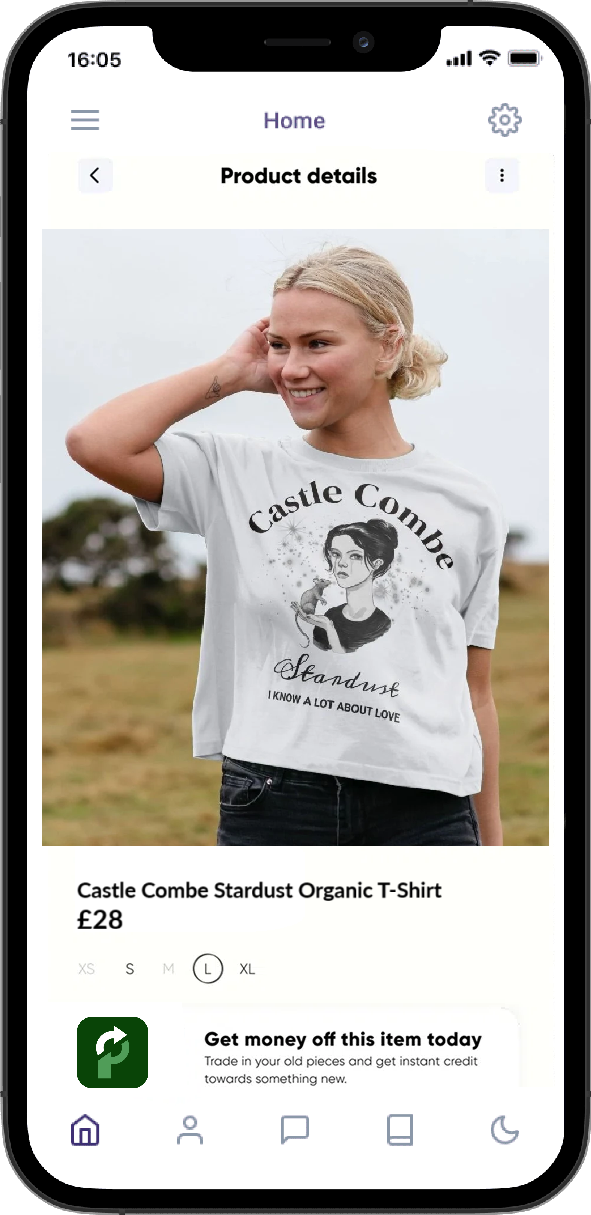
Swap your old item for store credit or upgrades - fast, fair and eco‑friendly.
Sizing and fittings — tips to avoid returns
- Always get precise measurements: chest, waist, hip, sleeve length, rise and leg length.
- Compare to a similar garment you own: lay garments flat and measure to compare.
- Be mindful of vintage sizing: sizes were smaller historically; expect differences.
- Understand fit words: “regular”, “slim”, “oversized” all affect how an item sits.
Preloved clothes and sustainability — beyond the obvious
- Carbon & water savings: reuse displaces new production and its embedded emissions.
- Reducing landfill: clothing that’s reused keeps textiles out of waste streams.
- Supporting repair and recycling ecosystems: increased demand for recycled fibres and repair services strengthens circular supply chains.
- Social impact: recommerce can create jobs and support charities via donations and partnerships.
Styling and trend tips for pre-loved finds
- Mix old and new: pair a vintage jacket with contemporary basics for a modern look.
- Embrace repairs as character: visible mending (like sashiko) can be a fashion statement.
- Invest in classics: trench coats, denim jackets, leather boots and knitwear retain style across seasons.
- Experiment with accessories: belts, scarves and brooches change the feel of a preloved piece.
Building a pre-loved wardrobe — a simple plan
- Audit: identify what you wear most and what’s missing.
- Prioritise: buy key pieces first (outerwear, shoes, staple denim).
- Set a budget: set monthly limits to avoid impulse buys.
- Track cost per wear: aim for pieces that will be worn frequently.
- Maintain: repair and clean so garments last longer.

Why choose a trusted recommerce platform (and what to expect)
- Grading gives clarity about condition, reducing surprises.
- Sanitisation and quality checks (including ozone cleaning) protect buyer safety.
- Returns and customer support reduce purchase risk.
- Aggregated inventory from partner brands means easier discovery of favourite labels.
Common myths about preloved clothes — debunked
- “They’re dirty”: reputable sellers clean or sanitise items; many items are in excellent condition.
- “Sizing is impossible”: measurements and good descriptions make it workable.
- “Second‑hand is just old-fashioned”: many preloved pieces are modern or designer pieces in like-new condition.
- “It’s risky to buy online”: buyer protections, clear photos and returns mitigate risk.
Conversion-focused best-practice for Prelovedd (on-page SEO & UX suggestions)
- Use clear H1/H2 headings including “preloved clothes” and regional variants like “pre-loved clothing UK”.
- Add structured data (Product & FAQ schema) to boost SERP rich results.
- Ensure images have descriptive alt text (brand, item, size, condition).
- Display grading and sanitisation badges on listings for trust signals.
- Offer measurement templates and prompts to reduce returns.
- Create landing pages for high-value categories (designer, denim, knitwear) targeting long-tail keywords.
To Sum Up
Preloved clothes offer a stylish, affordable and sustainable alternative to buying new. With a little know-how — checking grades, measurements and seller policies — you can find high-quality pieces that last, reduce environmental impact and express personal style. Selling is straightforward if you present items honestly with good photos and clear descriptions. Platforms like Prelovedd combine grading, sanitisation and customer protections to make recommerce an easy, low‑risk way to join the circular fashion movement.
Ready to explore recommerce & trade-in?
Prelovedd helps you convert returns and trade‑ins into curated, styled resale inventory and trade‑in credit, design buyback offers, list pre‑owned items and reach second‑hand shoppers — Visit Prelovedd to launch your resale programme and boost revenue, loyalty and circular impact.
REGULARLY ASKED QUESTIONS
Frequently Asked Questions
We have put together some commonly asked questions
What does “preloved clothes” mean?
Preloved clothes are garments that someone else has worn before. The term focuses on reuse and reuse’s environmental benefits.
Is buying preloved clothes hygienic?
Yes — reputable recommerce platforms and many second‑hand shops clean and sanitise items. Some platforms use ozone sanitisation, which is eco-friendly and effective.
How do I know the condition of an item online?
Look for grading labels, multiple high-resolution photos, and clear descriptions. Ask sellers for extra images of seams, labels and any faults.
How should I measure myself for preloved clothes?
Measure a favourite garment you already own (lay flat) and compare chest, waist, hip, sleeve and length measurements to the listing.
Can I sell designer pieces safely?
Yes — use platforms that authenticate luxury items or offer returns. Good photos, proof of purchase and condition details help sell designer items.
What are the best fabrics to buy second‑hand?
Natural fibres (wool, cotton, silk, linen) usually last longer and can be easier to repair than some synthetic blends.
We connect the dots
Great existing clothes + smart styling + simple experiences
Do preloved clothes cost more than new?
Often they’re cheaper. Some rare or designer preloved pieces can command higher prices, but cost per wear typically favours second‑hand purchases.
How do I care for delicate preloved garments?
Follow the care label, use gentle cycles or hand wash, and air dry. For tricky items consider professional cleaning if needed.
Are returns allowed on preloved purchases?
Policies vary. Trusted recommerce sites usually offer returns within a set time frame; always check the seller’s returns policy before buying.
How does buying preloved help the planet?
Buying preloved reduces demand for new production, lowers resource use and emissions, and keeps textiles out of landfill.
How to spot fake designer items when buying preloved?
Check stitching, logos, serial numbers, hardware and receipts; compare to official images. For high-value items, use sellers or platforms that offer professional authentication.
What should I do with preloved clothes I no longer want?
Sell them, donate to charity, swap with friends, or use textile recycling schemes. Try resale or donation first to keep garments in use.
Stay in the loop
Sign up for a newsletter worth reading