What Does Preloved Mean?
Curious about “preloved” in fashion? Learn how it differs from second‑hand and vintage, its environmental benefits, buying tips, and how Prelovedd makes sustainable fashion easy.
Style That Starts Again

What Preloved Means : Ultimate Guide to Preloved Fashion
PRELOVEDD
Preloved describes clothing that has had a previous life — from gently worn wardrobe favourites to unused samples and returns — all given a chance to be loved again. This guide explains the many meanings behind the word, how it differs from second‑hand and vintage, and why choosing preloved is better for your wallet and the planet. Read on for buying tips, restoration ideas and ways Prelovedd helps you find quality items without the landfill guilt.
The fashion industry’s throwaway culture has made terms like ‘preloved’ more important than ever. At first glance, ‘preloved’ might look like a softer synonym for ‘second‑hand’ — and it is — but it also carries nuance: items can be nearly new, professionally restored, vintage, or simply passed from one owner to another. In this article we’ll unpack what preloved means, explore related terms (pre‑owned, remade, reclaimed), explain why preloved fashion matters for sustainability, and give practical advice for buying and selling. Whether you’re a resale newbie or an experienced thrifter, this guide will help you shop smarter and more sustainably with Prelovedd.
PRELOVED ESSENTIALS
Preloved — definition
Why brands use it
How to buy wisely
How to sell effectively
Environmental & economic benefits
Prelovedd curation & certification
To Sum Up
FAQ
What ‘Preloved’ Means — a clear definition
- Preloved = any garment that has had a previous life but is offered for reuse.
- Scope: gently worn items, unused samples, returned goods, repaired or restyled pieces, and true vintage.
- Emotional framing: ‘preloved’ emphasises care and potential rather than wear and tear — useful to reduce stigma.
Why brands and sellers prefer ‘Preloved’
- Positive connotation reduces stigma around ‘second‑hand’.
- Useful marketing term for barely used returns, sample sales, and curated vintage.
- Examples: brands that resell their overstock or returns on resale platforms; Prelovedd’s curated collections that highlight quality and condition.
For a deeper dive into buying second‑hand, see our Preloved Clothes: Guide to Second‑Hand Fashion.
Preloved vs Second‑hand vs Pre‑owned vs Vintage — key differences
- Second‑hand: broad, neutral term for previously owned items.
- Pre‑owned: synonym of second‑hand, often used in luxury resale.
- Preloved: marketing-forward, implies care and desirability.
- Vintage: age-based (typically 20–100 years), collectible and historically significant.
- Antique: 100+ years old.
- Table-style summary (descriptive in text): how to choose terms for your listings and product pages.

The many faces of preloved — 16 related terms explained (concise definitions)
- Pre‑owned, Hand‑me‑down, Resold, Reused, Recycled style, Remade, Refashioned, Previously worn, Reclaimed, Reutilised, Repurposed, Rejuvenated, Restyled, Restored, Vintage, Reconditioned.
- Give examples of when to use each word in product descriptions or tags to improve search visibility.
How to buy preloved wisely — practical tips
- Check condition: seams, stains, odours, pilling, zip and button function.
- Request detailed photos and measurements — sizing varies by brand and era.
- Ask about repairs, alterations, and authentication for designer pieces.
- Read return policies and shipping costs — Prelovedd offers curated listings to reduce uncertainty.
- Spot red flags: inconsistent photos, evasive seller responses, suspiciously low prices.
How to sell preloved effectively — tips for sellers
- Clean and photograph well: natural light, neutral background, multiple angles.
- Use descriptive titles and include brand, size, material, and condition.
- Tag with related keywords: preloved, preowned, vintage, reworked, sustainable fashion.
- Be honest about flaws — buyers appreciate transparency and it reduces returns.
- Consider repair or reconditioning to increase value.
Restoring, remaking and upcycling — expanding the life of garments
- Small repairs add value and reduce waste.
- Remaking: turning an oversized shirt into a cropped blouse, for example.
- Reconditioning for shoes and bags extends usability.
- Workshops and tutorials encourage community and creativity.
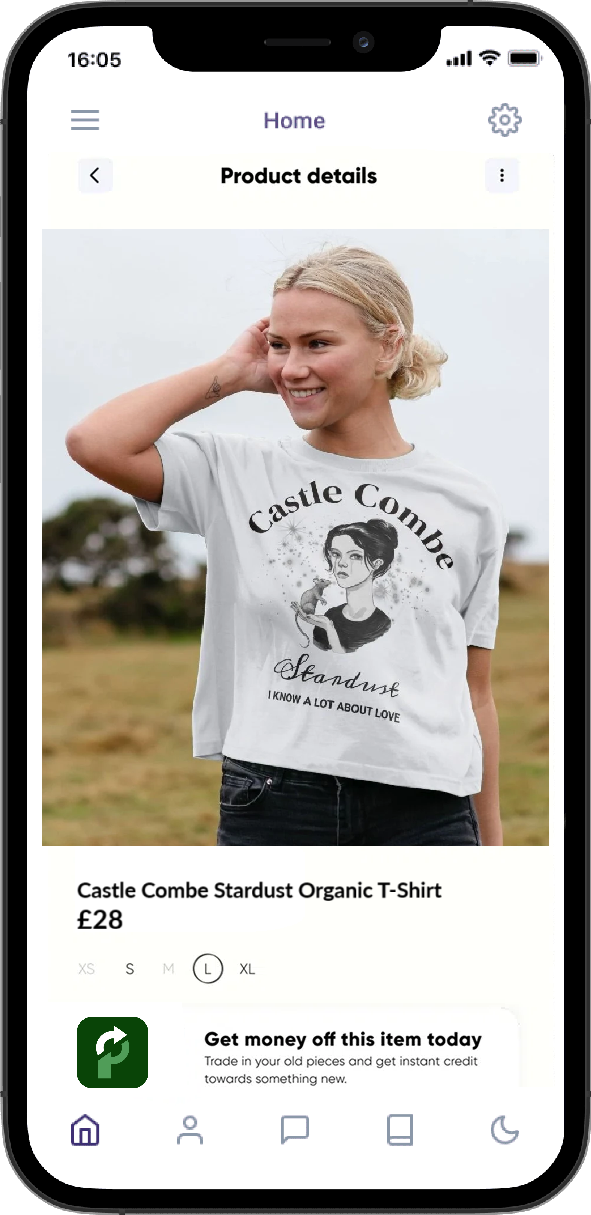
Swap your old item for store credit or upgrades - fast, fair and eco‑friendly.
Sizing, fit and vintage considerations
- Sizing, fit and vintage considerations
- Era-specific sizing can differ; always include measurements.
- Fabric ageing: expect natural wear in vintage pieces (fade, softening).
- How to adapt older silhouettes to modern wardrobes.
Authentication and buying designer preloved
- Check serial numbers, labels, and provenance.
- Use reputable platforms with authentication services for high-value items.
- Red flags for fakes: low price, poor craftsmanship, incorrect logos.
Preloved and fashion trends — why vintage is having a moment
- Cycle of fashion: designers and brands mining vintage styles.
- Unique pieces and sustainability narrative power its rise.
- How to incorporate vintage into contemporary wardrobes with styling tips.
Making the most of resale therapy — benefits beyond saving money
- Joy of discovery, uniqueness, nostalgia.
- Community and storytelling: each piece has a history.
- Emotional rewards of giving garments a second life.

SEO tips for Prelovedd product pages (practical, actionable)
- Use primary keyword: “preloved [item]” in title and H1 (e.g., “Preloved Leather Jacket — Size M”).
- Include secondary keywords: “preowned”, “previously worn”, “vintage”, brand name, materials.
- Optimise product descriptions: condition section, measurements, provenance notes.
- Use structured data (schema.org/Product) with condition set to “UsedCondition” or “RefurbishedCondition” where applicable.
- High-quality images with alt text including keywords.
- Internal linking: link to About page, Preloved Clothes guide, Sustainability page and category pages to boost crawl depth.
Common misconceptions about preloved
- Myth: Preloved always means worn out — false; many items are like-new.
- Myth: Preloved is unhygienic — modern cleaning and dry‑cleaning eliminate concerns.
- Myth: Preloved isn’t stylish — curated preloved shops carry trend-led pieces.
Why preloved matters — environmental and economic benefits
- Reduced textile waste; fewer garments to landfill.
- Lower carbon and water footprint compared with new garment production.
- Budget-friendly access to quality brands and unique pieces.
- Social benefits: supports circular economy and often charitable or small-business sellers.
- Link to Prelovedd Sustainability page for stats and commitments.
How Prelovedd curates and certifies items
- How Prelovedd curates and certifies items.
- Our approach: expert curation, condition grading, cleaning and repairs where needed.
- Why buyer confidence matters: listing transparency, easy navigation, customer support.
- CTA: Browse our curated shop to discover thoughtfully selected preloved pieces.
To Sum Up
Preloved covers a broad and positive spectrum of previously owned clothing — from barely used returns and sample pieces to carefully restored vintage finds. Choosing preloved reduces waste, stretches your budget and lets you own unique or higher‑quality pieces with less environmental impact. Whether you’re buying or selling, clarity in condition, honest descriptions and mindful restoration make preloved fashion a rewarding and sustainable choice. Visit our shop to begin your preloved journey with Prelovedd.
Ready to explore recommerce & trade-in?
Prelovedd helps you convert returns and trade‑ins into curated, styled resale inventory and trade‑in credit, design buyback offers, list pre‑owned items and reach second‑hand shoppers — Visit Prelovedd to launch your resale programme and boost revenue, loyalty and circular impact.
REGULARLY ASKED QUESTIONS
Frequently Asked Questions
We have put together some commonly asked questions
What does preloved mean?
Preloved means an item has had one or more previous owners but is offered again for sale, often emphasising care and desirability.
Is preloved the same as second‑hand?
Preloved is a softer, more positive term for second‑hand; both indicate previous ownership but ‘preloved’ is commonly used in curated resale.
How is preloved different from vintage?
Vintage refers to age (generally 20–100 years old); preloved refers to prior ownership and can include vintage, modern returns, or nearly new items.
Are preloved clothes hygienic?
Yes. Quality preloved sellers clean and refurbish items; standard laundering or professional cleaning removes common hygiene concerns.
Can new items be labelled preloved?
Yes — items like photo samples, returns or open‑box products can be labelled preloved when they’re resold.
How do I check the condition of a preloved item?
Request detailed photos, close‑ups of seams and hardware, and exact measurements; ask about stains, repairs or odours.
We connect the dots
Great existing clothes + smart styling + simple experiences
Are designer items safe to buy preloved?
Yes, if you buy from reputable sellers or platforms that offer authentication or detailed provenance information.
How much can I save by buying preloved?
Savings vary widely — from modest discounts on like‑new items to large savings on vintage or designer pieces compared to retail.
What does remade or refashioned mean?
Remade/refashioned items have been altered creatively or functionally to refresh style or fit.
Should I expect different sizing with preloved & vintage?
Yes — always check measurements and compare to a reliable garment you own; sizing standards have changed over time.
Can preloved shopping be sustainable?
Absolutely — buying preloved lowers demand for new production and reduces textile waste, making it one of the more sustainable fashion choices.
How do sellers price preloved items?
Price depends on brand, condition, rarity, age and demand; sellers often factor in cleaning or repair costs.
Stay in the loop
Sign up for a newsletter worth reading