What Is Recommerce?
Discover what recommerce is, why it’s booming, and how retailers can launch profitable resale programmes. Practical steps, examples and FAQs from Prelovedd.
Style That Starts Again


What is Re-commerce? - Definition, Benefits and How to Start a Resale Programme
PRELOVEDD
RECOMMERCE AT A GLANCE
Recommerce 101
Why recommerce matters now
Several converging trends have pushed recommerce into the spotlight:
- Economic pressure: Consumers facing tighter household budgets are hunting for quality goods at lower prices, making second-hand options more attractive.
- Environmental urgency: Growing awareness of the environmental impact of manufacturing — water use, CO2 emissions and textile waste — encourages shoppers and businesses to seek low-impact alternatives.
- Cultural shift: Younger generations, particularly Millennials and Gen Z, are more open to buying second-hand and prioritise brands that offer sustainable choices.
- Technology and platforms: Marketplaces and integrated retail technology have made listing, grading and selling pre-owned goods easier and more profitable for retailers.
Key recommerce statistics (overview)
- Global market growth: Industry forecasts expect recommerce to expand rapidly; some projections estimate the resale market could reach tens of billions by 2030.
- Consumer participation: Surveys show a growing proportion of shoppers buy or sell used goods, with younger cohorts leading adoption.
- Environmental impact: Purchasing a used item can reduce its carbon, water and waste footprint by a substantial margin versus buying new, depending on category and condition.
Recommerce definition and types
At its simplest, recommerce means reselling previously owned items. In practice, recommerce programmes fall into three main types:
Buyback programmes
Retailers offer customers cash or store credit for returning products. The business then inspects, refurbishes if needed, and resells the item. Buyback schemes can be incentivised with tiered credit values based on condition, age or original price.
Trade-in offers
Trade-in offers are a popular form of recommerce — for example, many shops run programmes where customers can trade in clothes for in-store credit; learn more about setting up a trade-in clothes programme.
Upcycling and repair
Retailers or partners transform materials or items into new products, or repair goods to extend life. Upcycling may create limited-edition products or components that are resold, while repair services help maintain value and customer trust.

Benefits of recommerce for retailers
- New revenue streams: Selling the same physical item multiple times increases lifetime value and margin potential.
- Customer acquisition and retention: Lower-price resold items attract budget-conscious shoppers; trade-ins and buybacks encourage future purchases.
- Inventory and cost efficiency: Recommerce can reduce reliance on costly new production and shorten supply chains.
- Sustainability credentials: Active recommerce programmes strengthen brand positioning on sustainability and can support regulatory reporting or ESG goals.
- Product feedback loop: Returned items offer insights into product life, durability and customer preferences that inform design and sourcing.
Which products work best for recommerce?
- Apparel (especially durable items like denim and designer pieces)
- Electronics (smartphones, laptops, consoles — often refurbished)
- Furniture and homewares
- Sporting goods and outdoor gear
- Antiques and collectibles
Retailers should exclude items that pose hygiene or legal concerns (open cosmetics, underwear, perishable food), though packaging recycling and refill programmes remain viable alternatives.
Setting quality standards: the grading system
- Like new / Exceptional: No discernible wear, fully functional.
- Excellent / Good: Minor wear, fully functional.
- Fair / OK: Noticeable wear; may need minor repairs.
- For parts / Repair: Functional issues; sold with explicit disclaimers. Provide photos, repair history, return options and optional warranties to reduce buyer hesitation.
How to start a recommerce programme (step-by-step for retailers)
- Assess product eligibility: Determine which SKUs hold resale value and which are unsuitable.
- Pilot with a single category: Test the process with one product line (e.g. denim or small electronics) to learn logistics before scaling.
- Set acquisition channels: Accept in-store, online trade-ins, or partner with drop-off points and collection partners.
- Define valuation and incentives: Create clear buyback or trade-in rates and consider promotional credits to drive uptake.
- Build refurbishment and grading workflows: Partner with refurbishers, set repair SOPs and implement quality control checks.
- Integrate inventory and listings: Use your POS and e-commerce platform to list pre-owned stock, manage SKUs, and offer BOPIS (buy online, pick up in-store).
- Communicate clearly: Educate customers with product pages, sustainability messaging, FAQs and condition guides.
- Measure and iterate: Track margins, conversion, return rates and customer lifetime value; adjust pricing and processes accordingly.
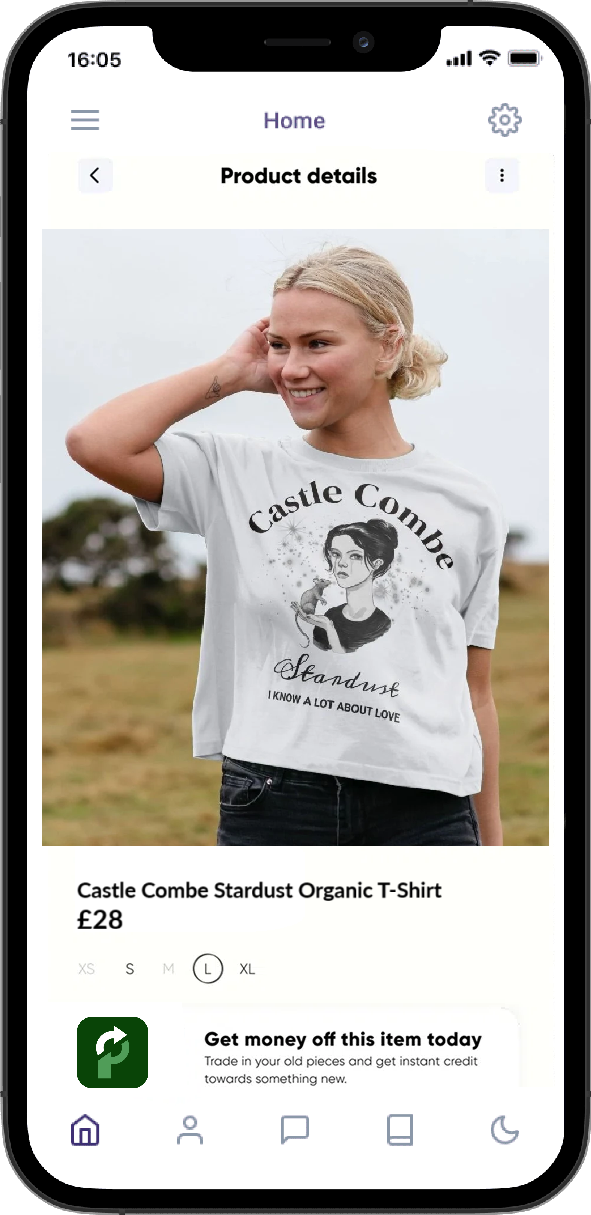
Swap your old item for store credit or upgrades - fast, fair and eco‑friendly.
Practical examples and best practice
- Allbirds and Trove: Allbirds offers credit for returned shoes which are resold via a recommerce partner, retaining revenue and reinforcing sustainability messaging.
- Lululemon Like New: Exchange in-store for gift cards, resale at up to 50% off, and recycle unsellable items — tying the programme to broader impact goals.
- REI: Long-established used gear programmes and Members Only garage sales that drive both loyalty and community engagement.
- Prelovedd: Converts returns and trade‑ins into curated resale and trade‑in credit to recover revenue, boost loyalty and meet circularity goals.
Marketing recommerce effectively
- Highlight savings and sustainability: Use clear comparisons (e.g. percentage saved vs new) and environmental impact metrics.
- Showcase provenance and refurbishment: Display repair histories and inspect photos to build trust.
- Target younger demographics: Use social channels, influencer partnerships and community marketplaces to reach Gen Z and Millennials.
- Local promotion: Host garage sales, pop-ups and in-store events to attract local buyers and create buzz.
- Cross-sell and upsell: Offer discounts for customers who trade in and then spend more in-store.
Operational and legal considerations
- Consumer protection and returns: Offer warranties or returns where feasible, and be explicit about condition grades.
- Data wiping and privacy: For electronics, ensure secure data destruction and provide certificates where appropriate.
- Tax and accounting: Recognise resale revenue and manage VAT or sales tax appropriately; some regions have specific rules for resale.
- Compliance and safety: Ensure that refurbished products, particularly electronics and toys, meet safety standards and labelling requirements.
Measuring success
- Revenue from recommerce items
- Gross margin per resold item
- Customer acquisition cost and repeat purchase rate for recommerce customers
- Volume of products diverted from landfill
- Average trade-in or buyback uptake rate
- Return and failure rates post-sale

Common challenges and how to overcome them
- Sourcing consistent supply: Drive buybacks with attractive credit offers, partner with third-party collection services, or incentivise returns with promotions.
- Maintaining quality: Invest in strong refurbishment partners and a rigorous grading system.
- Pricing strategy: Use dynamic pricing informed by marketplaces and competitor listings; consider seasonality.
- Customer trust: Offer guarantees, clear photos and robust product descriptions.
The future of recommerce
To Sum Up
Prelovedd helps you convert returns and trade‑ins into curated, styled resale inventory and trade‑in credit, design buyback offers, list pre‑owned items and reach second‑hand shoppers — Visit Prelovedd to launch your resale programme and boost revenue, loyalty and circular impact.
Frequently Asked Questions
We have put together some commonly asked questions
What is recommerce?
If you’re new to the idea, our explainer on ‘What does recommerce mean’ unpacks the terminology and common misconceptions.
How does recommerce differ from resale?
Why is recommerce growing so fast?
How will EU policy shape recommerce?
What items can you sell as recommerce?
Can I start a recommerce business?
We connect the dots
Great existing clothes + smart styling + simple experiences